In today’s fast-paced world, time is one of the most valuable resources. Long waiting lines and disorganized service environments can frustrate customers and negatively impact a business’s reputation. This is where a queue management system plays a vital role in improving efficiency and delivering a seamless customer experience.
From banks and hospitals to government offices and retail outlets, organizations are increasingly adopting smart queue solutions to streamline operations. In Pakistan, particularly in major cities like Islamabad, the demand for advanced queue management systems is growing rapidly as businesses aim to modernize their services.
Queue Management System
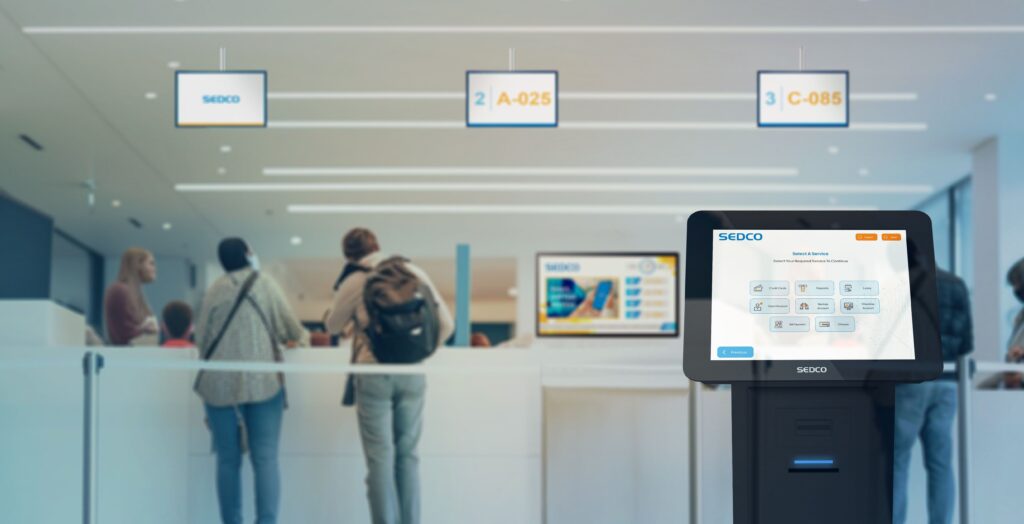
A queue management system is a digital solution designed to organize and manage customer flow in a structured and efficient manner. It replaces traditional waiting lines with a more systematic and technology-driven approach.
Key Components of a Queue Management System
A modern queue management system typically includes:
- Digital ticketing systems
- Display screens for queue status
- Automated call systems
- Customer feedback tools
- Data analytics and reporting
These components work together to ensure that customers are served in an orderly and timely manner.
Benefits of a Queue Management System
1. Reduced Waiting Time
Customers experience shorter and more predictable wait times.
2. Improved Customer Satisfaction
An organized system creates a positive impression and enhances overall experience.
3. Increased Efficiency
Staff can manage customer flow more effectively, reducing confusion and delays.
4. Better Resource Management
Businesses can allocate staff based on demand and service requirements.
5. Real-Time Monitoring
Managers can track performance and make informed decisions.
Queue Management System in Islamabad


The adoption of a queue management system in Islamabad has seen significant growth in recent years. As the capital city of Pakistan, Islamabad is home to government institutions, corporate offices, hospitals, and financial organizations that handle large volumes of customers daily.
Why Islamabad Needs Queue Management Systems
1. High Customer Traffic
Organizations in Islamabad deal with a large number of visitors every day.
2. Government Services
Public sector offices require efficient systems to manage citizens’ requests.
3. Healthcare Demand
Hospitals and clinics need structured systems to handle patient flow.
4. Corporate Environment
Banks and service providers aim to deliver a premium customer experience.
Applications in Islamabad
- Banks and financial institutions
- Hospitals and healthcare centers
- Government offices
- Telecom service centers
- Retail outlets
By implementing a queue management system, organizations in Islamabad can significantly improve their service delivery and customer satisfaction.
Queue Management System in Pakistan


Across the country, the demand for a queue management system in Pakistan is increasing as businesses and institutions embrace digital transformation.
Growth of Queue Management Systems in Pakistan
Pakistan is witnessing a shift toward automation and smart technologies. Organizations are moving away from manual processes and adopting digital solutions to improve efficiency.
Key Industries Using Queue Management Systems
1. Banking Sector
Banks use queue systems to manage customer flow and reduce waiting times.
2. Healthcare Sector
Hospitals rely on these systems to handle patient appointments and walk-ins.
3. Government Institutions
Public offices use queue management to improve service delivery.
4. Retail and Customer Service Centers
Businesses use these systems to enhance customer experience.
Benefits for Pakistani Businesses
- Enhanced operational efficiency
- Improved customer satisfaction
- Reduced overcrowding
- Better data insights
- Increased productivity
As technology continues to evolve, queue management systems are becoming an essential tool for organizations across Pakistan.
Features of a Modern Queue Management System
Modern systems are equipped with advanced features that go beyond simple ticketing.
Digital Ticketing
Customers can take virtual or physical tickets, eliminating the need for standing in line.
SMS and Mobile Integration
Notifications inform customers about their turn, allowing them to wait comfortably.
Real-Time Analytics
Businesses can monitor performance and identify areas for improvement.
Multi-Branch Integration
Large organizations can manage queues across multiple locations.
Customizable Interface
Systems can be tailored to match the branding and needs of the business.
Why Businesses Should Invest in Queue Management Systems
Investing in a queue management system offers long-term benefits for businesses and organizations.
Improved Customer Experience
A smooth and organized process enhances customer satisfaction.
Increased Revenue
Satisfied customers are more likely to return and recommend services.
Efficient Staff Utilization
Employees can focus on service delivery rather than managing queues.
Competitive Advantage
Businesses with modern systems stand out in the market.
Why Choose The Nextgen Technologies as a Top Company
When it comes to implementing reliable and advanced queue management systems, the nextgen technologies stands out as a top company in the industry.
You can explore their services at thenextgentechnologies.com
What Makes Them the Best Choice?
Innovative Solutions
They offer cutting-edge queue management systems designed for modern businesses.
Customization
Solutions are tailored to meet specific industry requirements.
Expert Team
A team of professionals ensures seamless implementation and support.
Scalability
Their systems can grow with your business needs.
Customer Satisfaction
A strong focus on delivering high-quality services and building long-term relationships.
By choosing the nextgen technologies, businesses can ensure efficient customer flow management and improved service quality.
Future of Queue Management Systems in Pakistan
The future of queue management systems in Pakistan is promising, driven by technological advancements and increasing demand for efficiency.
Emerging Trends
- AI-powered queue prediction
- Mobile-based virtual queues
- Cloud-based systems
- Integration with CRM software
- Contactless service solutions
These innovations will further enhance customer experience and operational efficiency.
Challenges and Solutions
Common Challenges
- Initial setup costs
- Resistance to change
- Technical maintenance
Solutions
- Investing in scalable systems
- Training staff for smooth adoption
- Partnering with experienced providers like the nextgen technologies
Conclusion
A queue management system is no longer a luxury—it is a necessity for businesses aiming to deliver efficient and customer-friendly services. In cities like Islamabad and across Pakistan, the adoption of these systems is transforming how organizations interact with their customers.
From reducing waiting times to improving operational efficiency, the benefits are undeniable. Businesses that embrace this technology are better equipped to meet customer expectations and stay competitive.
Choosing the right partner is crucial, and the nextgen technologies stands out as a top company offering innovative and reliable solutions. By investing in a modern queue management system, businesses can enhance customer satisfaction and achieve long-term success.
FAQs
1. What is a queue management system?
A queue management system is a digital solution that organizes and manages customer flow efficiently.
2. Where are queue management systems commonly used in Pakistan?
They are widely used in banks, hospitals, government offices, and retail stores.
3. How does a queue management system improve customer experience?
It reduces waiting time, organizes service flow, and provides real-time updates to customers.
4. Is a queue management system suitable for small businesses?
Yes, scalable solutions are available that cater to businesses of all sizes.
5. Why choose the nextgen technologies for queue management systems?
They provide advanced, customizable, and reliable solutions with expert support, making them a top choice in Pakistan.