Ask any kitchen manager in Saudi Arabia what keeps them awake at night and the answer is rarely the menu. It is the inventory sitting behind the menu: the frozen proteins, the chilled dairy, the sacks of rice and flour that must all stay safe until service. Reliable storage for restaurants has quietly become one of the biggest competitive advantages in the Kingdom’s food scene, especially in 2026, when dining out and food delivery are both expanding faster than most back-of-house spaces can handle.
The problem is simple to describe and hard to solve. A typical restaurant building gives you a cramped storeroom, a walk-in chiller that is always full, and zero room to buy in bulk when supplier prices dip. This guide explains how professional food and beverage warehousing fixes that, which temperature zones matter for which ingredients, and how to decide whether outsourcing makes sense for your operation.
Why Restaurant Inventory Fails Before It Reaches the Kitchen
Most food waste in a restaurant does not happen on the plate. It happens in the days between delivery and preparation, when ingredients sit in the wrong conditions. A chiller that cycles above 5°C during a busy lunch, a dry store next to a hot dishwashing line, or flour stacked directly on concrete can each quietly destroy stock.
The FAO’s food loss and waste platform estimates that a significant share of global food loss occurs during storage and handling stages, long before consumers see the product. For a restaurant running on thin margins, every kilogram lost in a bad storeroom is profit that never had a chance.
Common failure points worth auditing this month include:
- Door seals on chillers and freezers that leak cold air and force compressors to overwork
- Dry goods stored where humidity from the kitchen drifts in and softens packaging
- No first-expired-first-out rotation, so older stock hides at the back until it spoils
- Bulk purchases refused simply because there is nowhere to put them
What Does Professional Storage for Restaurants Actually Include?
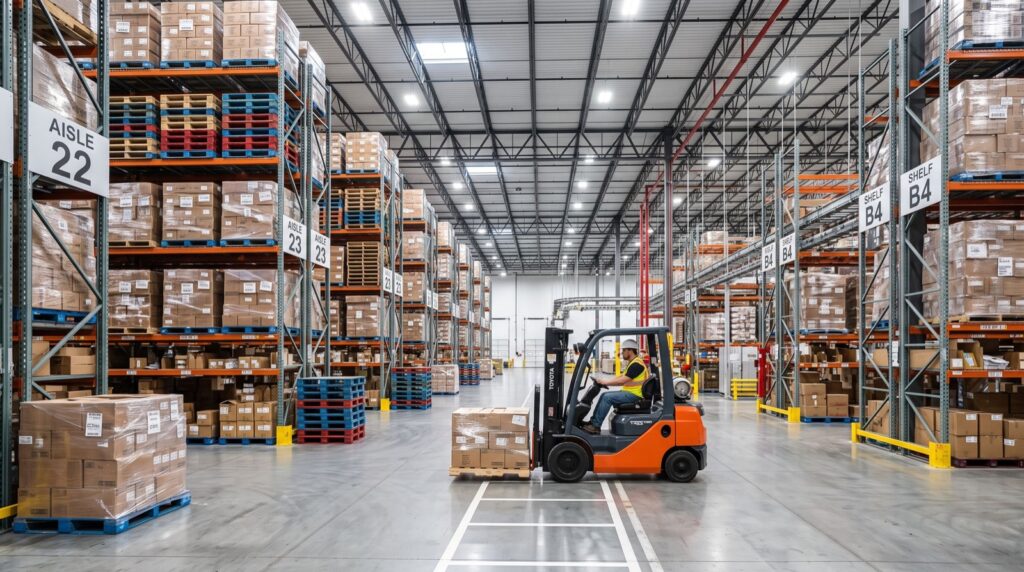
Dedicated Storage for Restaurants goes far beyond renting empty square metres. A proper food-grade facility in Saudi Arabia is built around SFDA-aligned hygiene practices, continuous temperature monitoring, and pest control programs that a standalone restaurant could never justify funding on its own.
Multi-temperature under one roof
A serious F&B warehouse runs frozen rooms at -18°C, chilled rooms between 0°C and 5°C, and ambient halls for everything else. Your lamb, your labneh, and your basmati each get the environment they were designed for, with alarms that trigger the moment a zone drifts out of range.
Inventory visibility
Modern operators give you a live dashboard showing stock levels, batch numbers, and expiry dates. That means your head chef can plan next week’s specials around what actually exists in the warehouse, not around a guess scribbled on a clipboard.
Matching Every Ingredient to the Right Temperature Zone
Getting zoning right is the core discipline of food warehousing. The table below summarises how a well-run Saudi facility typically allocates restaurant inventory in 2026.
| Zone | Temperature range | Typical restaurant items | Shelf-life benefit |
|---|---|---|---|
| Frozen | -18°C or colder | Meat, poultry, seafood, frozen fries | Months of safe holding |
| Chilled | 0°C to 5°C | Dairy, fresh produce, sauces, desserts | Days to weeks preserved |
| Ambient / dry | 18°C to 25°C, low humidity | Rice, flour, oil, canned goods, packaging | Protection from heat and pests |
Dry goods deserve more respect than they usually get. Riyadh summers regularly push outdoor temperatures past 45°C, and a metal storeroom behind a restaurant can bake canned tomatoes and cooking oil into early rancidity. Purpose-built Dry Storage in Riyadh keeps ambient stock in a stable, ventilated, pest-controlled hall, which is exactly what bulk staples need to survive the Kingdom’s climate.
Outsourced Warehousing or an On-Site Storeroom: Which Wins?
There is no universal answer, but the economics have shifted noticeably since delivery aggregators changed order volumes across Saudi cities. Restaurants now handle more covers with the same kitchens, and inventory has to live somewhere.
Outsourcing tends to win when your operation matches any of these profiles:
- You run two or more branches and currently split deliveries awkwardly between them
- Supplier minimum-order quantities force you to buy more than your storeroom holds
- You operate a cloud kitchen where every square metre must generate revenue
- Seasonal peaks, such as Ramadan, multiply your ingredient volumes for weeks at a time
Keeping everything on-site still makes sense for a single small outlet with daily fresh deliveries and minimal frozen stock. The moment growth begins, though, the storeroom becomes the bottleneck. Choosing between vendors works the same way it does in any category: shortlist quality service providers, visit the facility in person, and ask hard questions about temperature logs and insurance.
How to Move Your Inventory Without Disrupting Service
Transitioning to external warehousing sounds risky, yet a phased approach keeps the kitchen running smoothly. Here is the sequence that works for most Saudi restaurants:
- Audit four weeks of purchasing data and tag every item as frozen, chilled, or ambient.
- Move slow-turning bulk items first, such as rice, oil, canned goods, and disposables.
- Set a twice-weekly replenishment schedule from the warehouse to each branch.
- Shift frozen reserves next, keeping only two or three days of buffer on-site.
- Review waste figures after sixty days and renegotiate supplier volumes with your new capacity.
Most operators discover that the freed-up space on-site is worth as much as the warehousing itself. A former storeroom can become a prep area, a second cold station, or even extra seating.
Frequently Asked Questions
How much warehouse space does a restaurant actually need?
A single busy outlet typically needs 10 to 25 pallet positions across frozen, chilled, and ambient zones. Multi-branch groups often start around 50 positions. Good providers let you scale monthly instead of locking you into fixed space.
Is outsourced food storage compliant with Saudi regulations?
Reputable facilities operate under SFDA-aligned food safety systems, maintain calibrated temperature records, and run documented pest control. Always request their certificates and recent audit reports before signing.
Can I store halal-certified and standard products together?
Professional warehouses segregate categories physically and in their inventory systems, so certified items keep a clean chain of custody. Confirm the segregation policy in writing during onboarding.
What happens if a chiller fails at the warehouse?
Quality operators run redundant refrigeration, 24/7 alarms, and backup power. Ask specifically about their contingency plan and how quickly stock gets transferred if a room goes down.
Final Thoughts
In 2026, the restaurants growing fastest across Riyadh, Jeddah, and the Eastern Province are the ones that stopped treating the back room as a warehouse. Professional storage for restaurants protects margins, unlocks bulk buying, and gives your kitchen team room to cook instead of room to worry. Map your inventory this week, request a facility tour, and see how much cleaner your operation runs when every ingredient finally has the right home.